Mount Pelée Volcano in Martinique Shows Renewed Signs of Activity, Officials Report
08/06/2026 / By Iva Greene
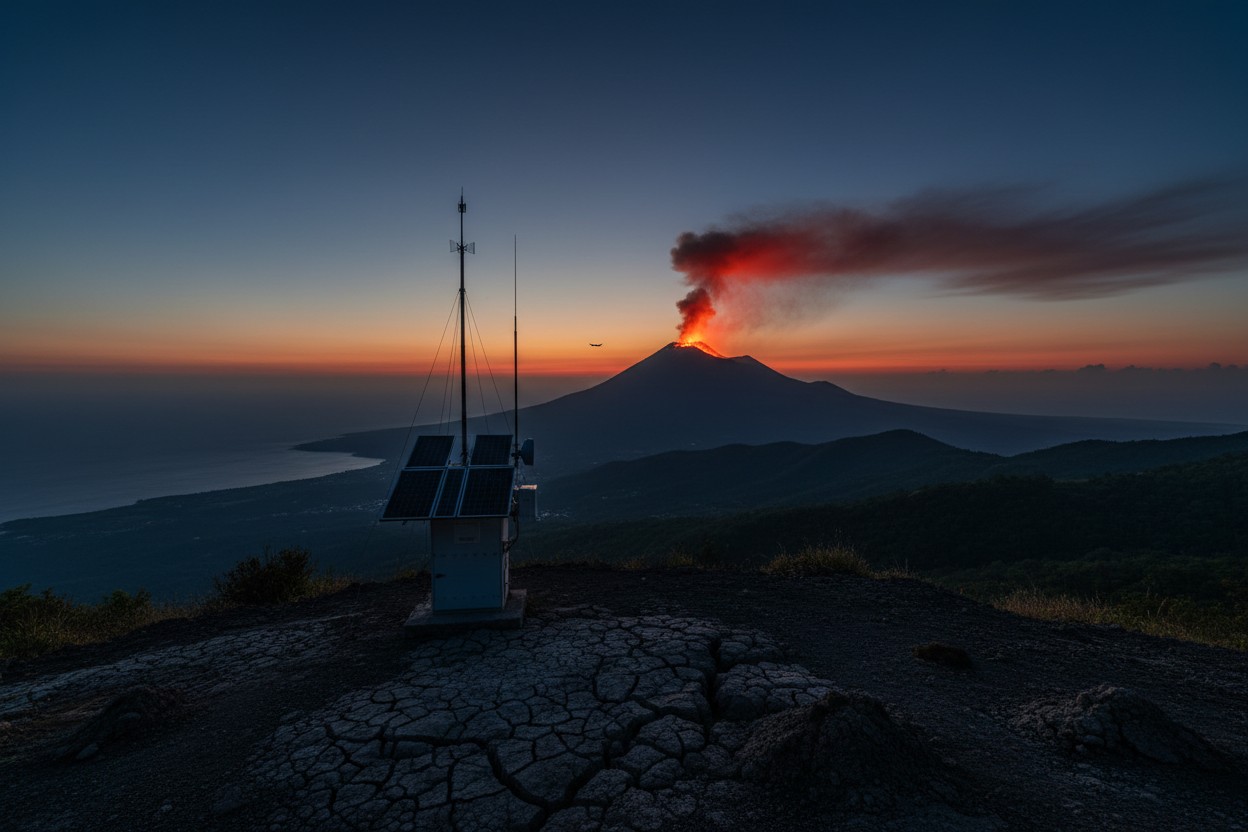
Mount Pelée, the volcano on the Caribbean island of Martinique that killed approximately 30,000 people in its 1902 eruption, has shown a significant increase in seismic activity, according to the Martinique Volcanological and Seismological Observatory. The observatory reported 124 earthquakes between July 24 and July 31, nearly three times the 45 recorded the previous week.
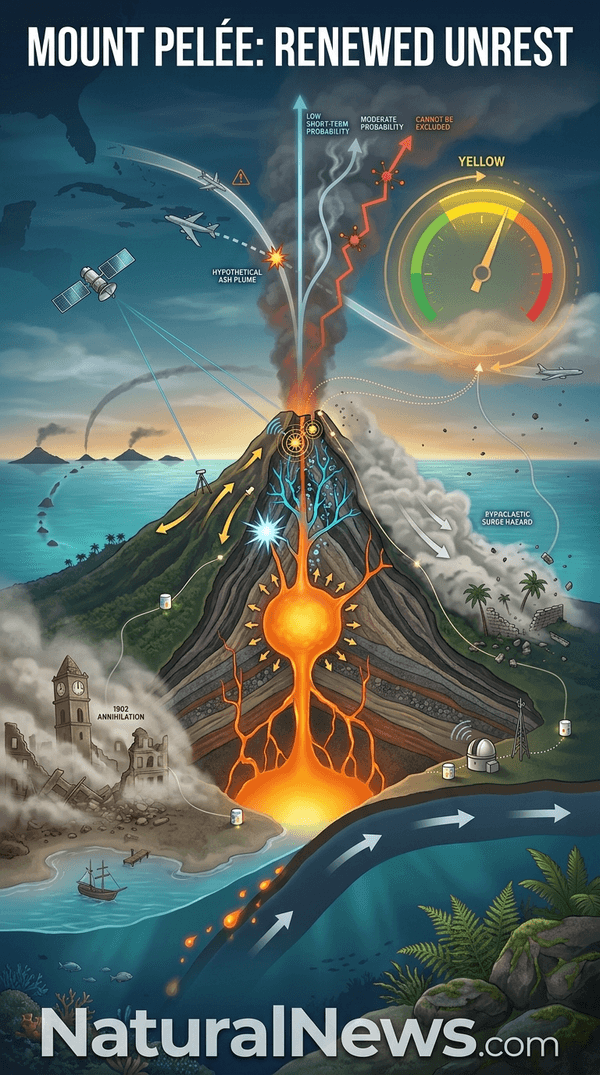
The volcano’s alert level is currently at YELLOW, which means it is showing signs of elevated unrest, according to officials. The 1902 eruption destroyed the town of Saint-Pierre and killed its population within minutes. The observatory stated that no eruption is imminent, and the probability of eruptive activity in the short term remains low.
Seismic Activity and Ground Deformation Detected Since May
The observatory reported 331 volcanic earthquakes throughout July, averaging approximately 85 each week. Most of these earthquakes were shallow, according to scientists, striking between half a mile and just over one mile beneath the summit. Such earthquakes can occur when rising magma or pressurized fluids push against and fracture solid rock beneath a volcano.
Since May, scientists have also detected ground movement around the summit, the report stated. The ground is currently shifting at a rate of nearly half an inch per month. Experts said the deformation is consistent with a pressurized source roughly 0.6 miles beneath the summit that is causing the volcano to swell from within. Nearly all of the earthquakes recorded this week have had a magnitude of 1 and have not been felt by people on the ground, according to officials.
Previous Eruptions and Current Alert Level
Mount Pelée’s most notorious eruption in 1902 unleashed a superheated cloud, or “nuee ardente,” that tore through the town of Saint-Pierre and killed approximately 30,000 people within minutes, according to historical accounts. The volcano also erupted between 1929 and 1932. W. Kenneth Hamblin, in his book “The Earth’s Dynamic Systems,” noted that the great eruption of Mount Pelée helped initiate an understanding of ash flows along convergent plate margins.
The Martinique Volcano and Seismology Observatory stated in an alert: “The probability of eruptive activity in the short term remains low. However, considering the observations accumulated over the past months and years, an evolution of the situation in the medium term (weeks to months) cannot be excluded.” The alert level for Mount Pelée is currently at YELLOW, which means the volcano is showing signs of elevated unrest, an advisory level or decreasing activity after a higher alert.
Potential Impacts on Aviation and Nearby Regions
A major eruption could unleash scorching clouds of gas, ash and rock across northern Martinique, while a towering ash plume could force airlines to reroute or cancel flights across parts of the Caribbean, according to the report. Fine volcanic ash can severely damage aircraft engines, reduce visibility and travel hundreds or even thousands of miles when carried by powerful winds.
Officials said there is currently no indication that Florida faces a direct threat from the volcano. The volcano sits roughly 1,500 miles southeast of Florida and along heavily traveled air routes connecting the region with the United States. The observatory will continue to monitor the situation closely.
References
- Willow Tohi. “Alaska’s Mount Spurr on the brink: Scientists warn of imminent eruption near Anchorage.” NaturalNews.com. March 14, 2025.
- “Alaska’s Mount Spurr Could Erupt Within Weeks, Mirroring Destructive 1992 Event.” NaturalNews.com. April 8, 2025.
- W Kenneth Hamblin. “The Earth’s dynamic systems.”
- Hamblin W Kenneth. “Earth’s dynamic systems.”
- “Space Gorillas, Drone Warfare, Volcanoes Reawakening and Ancient Eruptions Responsible for Plagues – Strange News Digest for December 5, 2025.” strangesounds.org. December 5, 2025.
- “Hidden volcano erupts for first time in 12,000 years, exposing a global threat we are not prepared for.” NaturalNews.com. November 27, 2025.
Explainer Infographic
Submit a correction >>
Tagged Under:
ash, big government, chaos, dangerous, disaster, ecology, environment, national security, panic, volcanic eruption, volcano
This article may contain statements that reflect the opinion of the author
RECENT NEWS & ARTICLES