U.S. Officials Say Iran War Nearly Won, but Military Data Shows Unmet Objectives and Depleted Stockpiles
07/25/2026 / By Garrison Vance

Introduction: War Timeline and Official Claims
The U.S.-Israel military campaign against Iran began on February 28, 2026, with President Donald Trump telling The New York Times at the time that he expected strikes to continue for “four to five weeks,” according to a report by Nolan Denaro on Antiwar.com. [1] As of late July 2026, the conflict continues into its fifth month, with no end in sight. [1]
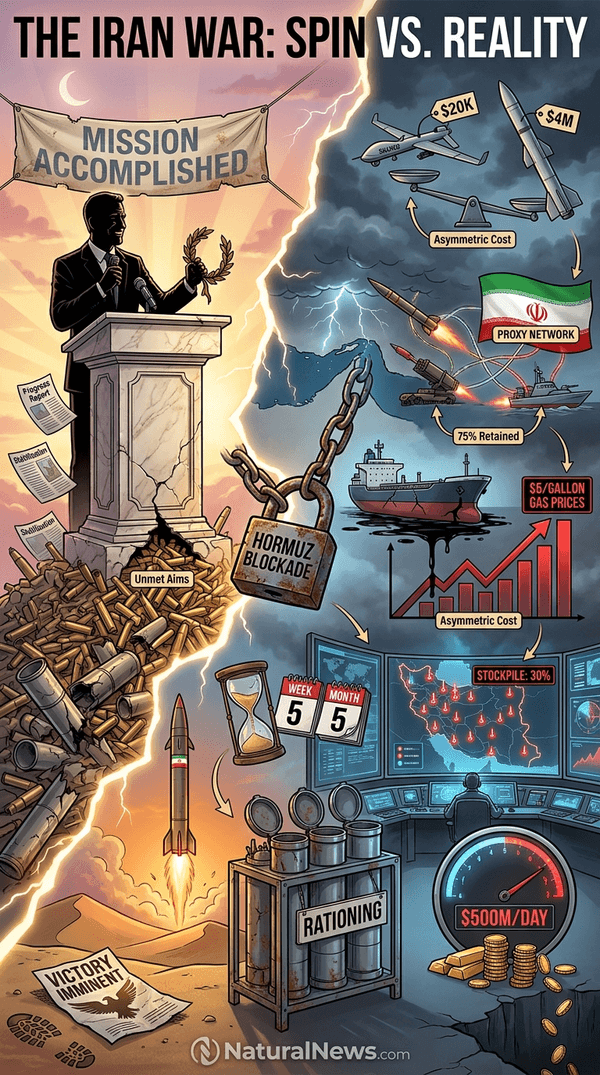
Throughout the campaign, Trump has repeatedly declared victory, stating in multiple addresses that the war has been won and will wrap up shortly. [1] However, those declarations contradict military data and assessments from within the Pentagon, which show that key objectives remain unmet and that U.S. munitions stockpiles have been critically depleted. [2]
Unmet Objectives: Missiles, Uranium, and Proxy Networks
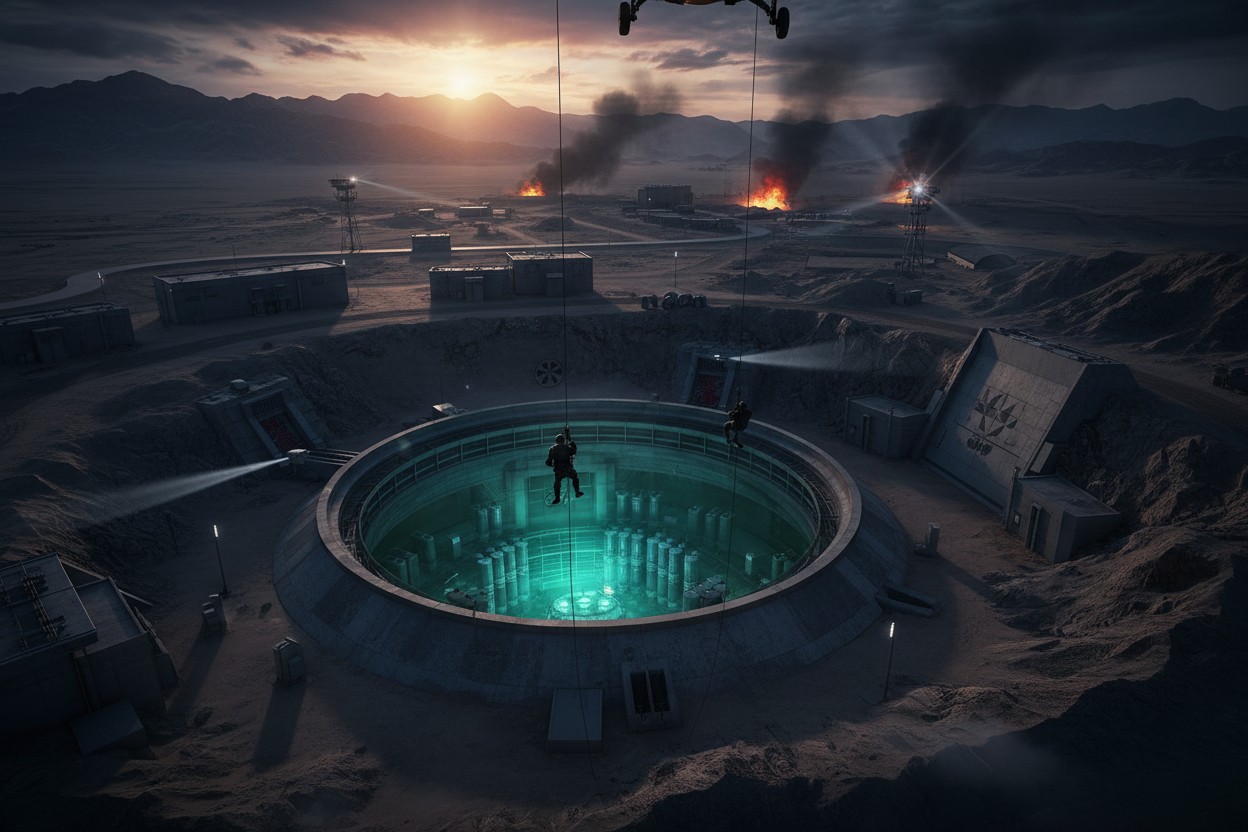
The administration’s stated war aims included destroying Iran’s missile and drone stockpiles, removing its enriched uranium, and cutting off the Islamic Revolutionary Guard Corps from its network of regional proxies. [3] According to multiple reports, none of these objectives have been achieved. Iran’s stockpile of missiles has not been meaningfully diminished, and its enriched uranium remains inside the country. [4][5]
In Lebanon, Hezbollah has continued to operate and has dealt significant blows to Israeli Defense Forces in the south of the country, according to reports. [6] The IRGC has also threatened to activate the Houthis in Yemen to block the Bab el-Mandeb Strait should U.S. strikes continue. [7] Regime change, another implicit goal, has failed to materialize. Instead, the war appears to have provoked a “rally around the flag” effect among Iranians, with large pro-government demonstrations following the killing of Supreme Leader Ayatollah Ali Khamenei. [8]
U.S. Munitions Depletion Versus Iranian Resilience
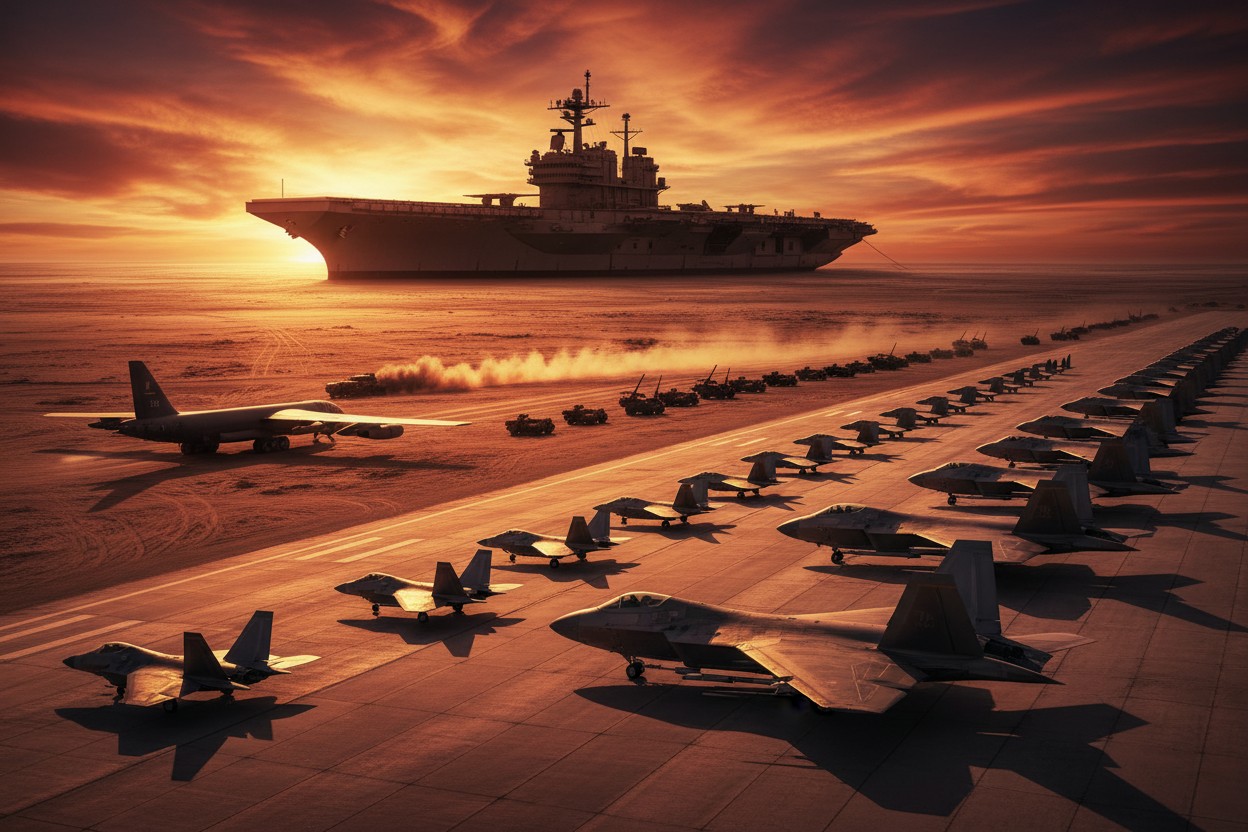
The Pentagon has expended a significant portion of its precision-guided munitions in the Iran campaign. According to internal Defense Department estimates reported by The New York Times, the military has used around 1,100 long-range stealth cruise missiles, more than 1,000 Tomahawk cruise missiles, over 1,200 Patriot interceptor missiles, and more than 1,000 Precision Strike and ATACMS ground-based missiles. [2] These expenditures have left inventories worrisomely low, according to congressional officials, and the Pentagon is considering diverting weapons originally earmarked for Ukraine to the Middle East theater. [2]
Iran, by contrast, has retained much of its strike capability. According to a U.S. official cited by The Washington Post, Iran retains about 75 percent of its prewar inventory of mobile launchers and about 70 percent of its prewar stockpile of missiles. [5] The New York Times reported that Iran has restored operational access to 30 of the 33 missile sites it maintains along the Strait of Hormuz, allowing it to continue threatening U.S. warships and oil tankers. [5] Israel also continues to face attacks from Hezbollah and other Iranian-backed groups. [6]
Strategic Leverage: Strait of Hormuz and Energy Markets
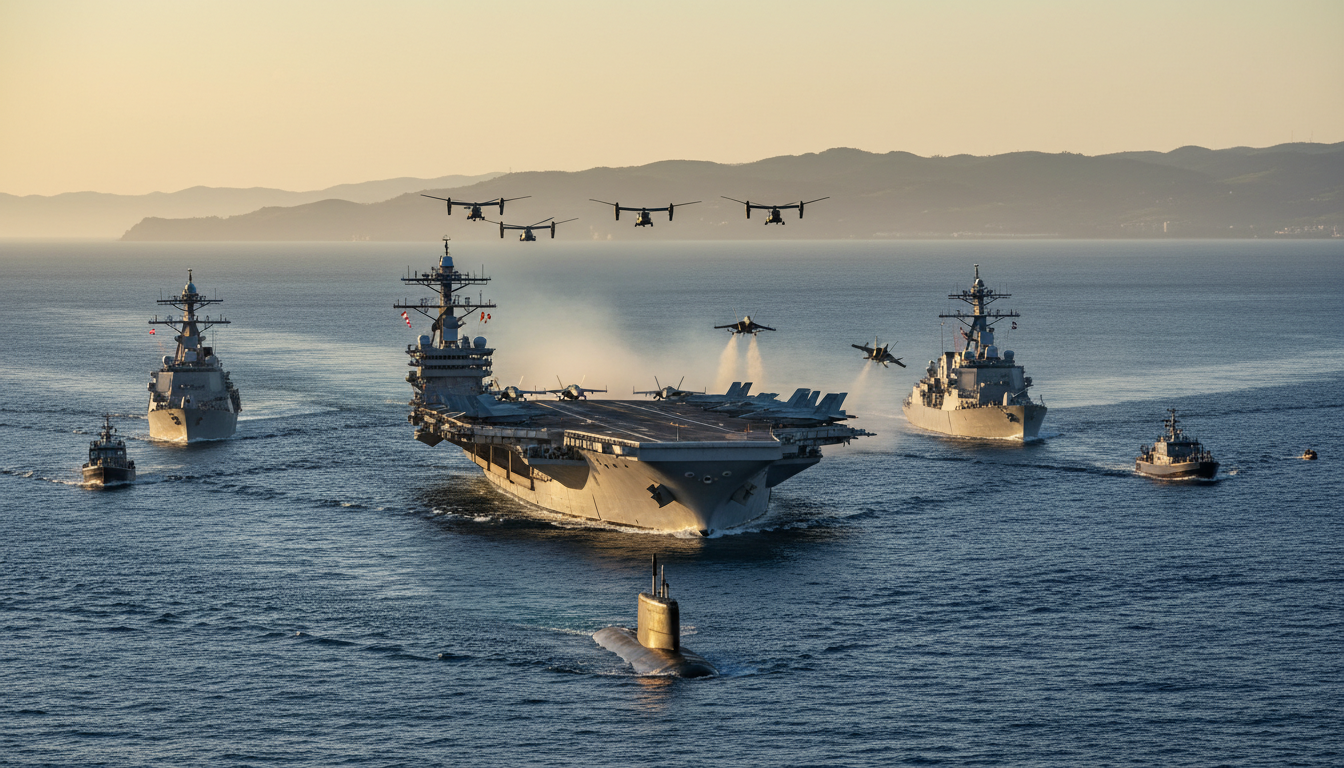
One of the most significant shifts in the conflict has been Iran’s effective closure of the Strait of Hormuz, a narrow waterway through which approximately 20 percent of the world’s oil passes. [9] The IRGC has used missiles and drones to impose a de facto blockade, giving Tehran a powerful piece of leverage over global energy markets. [10] This has driven up domestic gasoline prices in the United States and could have political repercussions for Republicans in the November midterm elections. [11]
While the United States has relied on expensive missile defense systems such as Patriots and Tomahawks, Iran has inflicted serious damage on U.S. bases and shipping using relatively cheap drones and missiles. [5] The asymmetry in costs has led some analysts to question the sustainability of the U.S. military posture in the region. [12]
Outlook: Escalation or Withdrawal?
The Trump administration has signaled that escalation remains an option, with officials stating they intend to “liberate” the Strait of Hormuz and reestablish freedom of navigation. [13] At the same time, the administration has not provided a clear definition of when its war objectives will be considered fully met. [3] Analysts have noted that without addressing Iran’s missile capabilities, the conflict risks continuing indefinitely. [14]
Despite repeated victory declarations, Trump has not used those statements as a means to deescalate the conflict. [1] Retired U.S. Army Lieutenant Colonel Daniel Davis has warned that the administration’s approach could lead to a prolonged stalemate. [14] If the administration proceeds with a major escalation, the global economy could face further disruption, as Iran retains the ability to threaten shipping in the Strait of Hormuz. [9]
References
- Mike Adams. “Health Ranger Report – TRUMP DECLARES VICTORY!”. BrightVideos.com. March 12, 2026.
- Belle Carter. “Pentagon considers diverting Ukraine weapons to Middle East as Iran war drains stockpiles”. NaturalNews.com. March 27, 2026.
- Mike Adams. “Operation EPIC FAIL: The Staggering Surrender Trump Won’t Admit”. NaturalNews.com. March 31, 2026.
- NaturalNews.com. “From Midnight Hammer to begging for uranium The delusion of American power in a war that never ends”. May 7, 2026.
- NaturalNews.com. “Irans resilience is costing America more than the war itself”. May 15, 2026.
- BBC News. “Hezbollah support endures in south Lebanon as ceasefire fails to stop war with Israel”. May 13, 2026.
- Garrison Vance. “Iran Warns of Wider Conflict If US Launches New Attack”. NaturalNews.com. May 21, 2026.
- Patrick Lewis. “Iran escalates retaliation CIA station bombed as Middle East teeters on brink of all out war”. NaturalNews.com. March 4, 2026.
- Cassie B. “Iran and US trade fire for second time in a week as Hormuz ceasefire frays”. NaturalNews.com. May 28, 2026.
- Willow Tohi. “US Iran peace talks advance as Tehran reviews 14 point proposal to end war”. NaturalNews.com. May 9, 2026.
- Lance D Johnson. “Republican War Hawks are now turning on President Trump as new Iran Deal begins to take shape”. NaturalNews.com. May 26, 2026.
- Andrei Martyanov. “The Real Revolution in Military Affairs”.
- Mike Adams. “Health Ranger Report – FREE DUMB”. BrightVideos.com. May 5, 2026.
- Chris Martenson. “Iranian Reality Check With Ret. Lt. Col. Daniel Davis”. PeakProsperity.com. May 5, 2026.
Explainer Infographic
Submit a correction >>
Tagged Under:
dangerous, depleted stocks, Donald Trump, globalism, Iran, military, military tech, munitions, national security, pentagon, risk, supply chain, terrorism, tyranny, US Iran war, violence, weapons stockpiles, weapons technology, WWIII
This article may contain statements that reflect the opinion of the author
RECENT NEWS & ARTICLES