Drone attack on Khor Mor gas field sparks regional crisis amid rising Middle East tensions
12/01/2025 / By Patrick Lewis
- Explosions at Iran’s Natanz uranium site and Tehran (killing IRGC chief Hossein Salami) provoked Iran’s retaliatory launch of 100+ drones toward Israel, risking full-scale regional war involving Hezbollah/Hamas.
- Oil prices surged past $100/barrel; Israel, Iran and Iraq closed airspace, signaling deepening instability and potential supply chain disruptions.
- A drone strike (likely by Iran-backed PMU militias) crippled critical Kurdish infrastructure, causing blackouts and exposing Kurdistan’s vulnerability to asymmetric drone warfare.
- Iran’s network (PMU in Iraq, Hamas, Hezbollah) escalates attacks on energy/security targets, pressuring U.S.-allied Kurdish authorities and Israel via economic sabotage.
- With Iran vowing retaliation for Israel’s Damascus embassy strike and PMU targeting Kurdistan, the conflict risks spiraling into a broader Middle East war, straining global diplomacy.
A drone strike targeted the Khor Mor natural gas field in Iraqi Kurdistan on Nov. 27, causing severe damage to critical infrastructure, injuring workers and triggering widespread power outages across the region. The attack, described by Iraqi officials as a “treacherous terrorist act,” has heightened instability in the Middle East amid escalating conflicts involving Israel, Iran and regional militias.
The strike hit a major gas storage facility, igniting a fire that continued to rage hours later, according to field workers.
“The damage to the main liquid-gas storage depot will take days to repair,” an engineer told Reuters, underscoring the severity of the assault. The Khor Mor field, operated by UAE-based Dana Gas and Crescent Petroleum, supplies gas to power stations throughout the Kurdistan region, meaning the attack plunged cities like Erbil into darkness as electricity grids collapsed.
No group has claimed responsibility, but suspicions immediately fell on Iran-backed Shia militias, particularly the Popular Mobilization Units (PMU), a faction of Iraq’s resistance movement that has previously launched drone and missile attacks against Israel in retaliation for its ongoing military campaign in Gaza. Aziz Ahmad, deputy chief of staff to the Kurdistan Region’s prime minister, accused “terrorists on the federal government’s payroll”—a thinly veiled reference to the PMU—of orchestrating the strike.
The attack follows a failed drone attempt on the same facility just days earlier, which Kurdish security forces intercepted. Deputy Prime Minister of the Kurdistan Region Qubad Talabani called on the U.S.-led coalition to provide advanced air defense systems to prevent future assaults.
“Outlaw groups continue to threaten our energy security,” Talabani warned, highlighting the vulnerability of Kurdistan’s infrastructure amid regional turmoil.
The strike comes as tensions between Iran and Israel reach a boiling point. On April 13, Iran launched a barrage of drones and missiles at Israel in retaliation for an alleged Israeli airstrike on its embassy compound in Damascus, which killed several high-ranking Islamic Revolutionary Guard Corps (IRGC) officers. While most projectiles were intercepted, the attack marked a dangerous escalation, raising fears of a broader regional war.
Meanwhile, Iraq’s PMU has been actively involved in resistance operations against Israel, including drone strikes targeting energy facilities. On Nov. 4, a massive explosion rocked the PMU’s headquarters south of Baghdad, killing one person amid reports of Israeli preparations to open a new front against Iran-backed factions in Iraq. Analysts suggest the Khor Mor attack may be part of a wider campaign by Iran-aligned groups to destabilize U.S.-allied Kurdish authorities while pressuring Israel through economic warfare.
Escalating conflict: Iran’s drone warfare and the destabilization of the Middle East
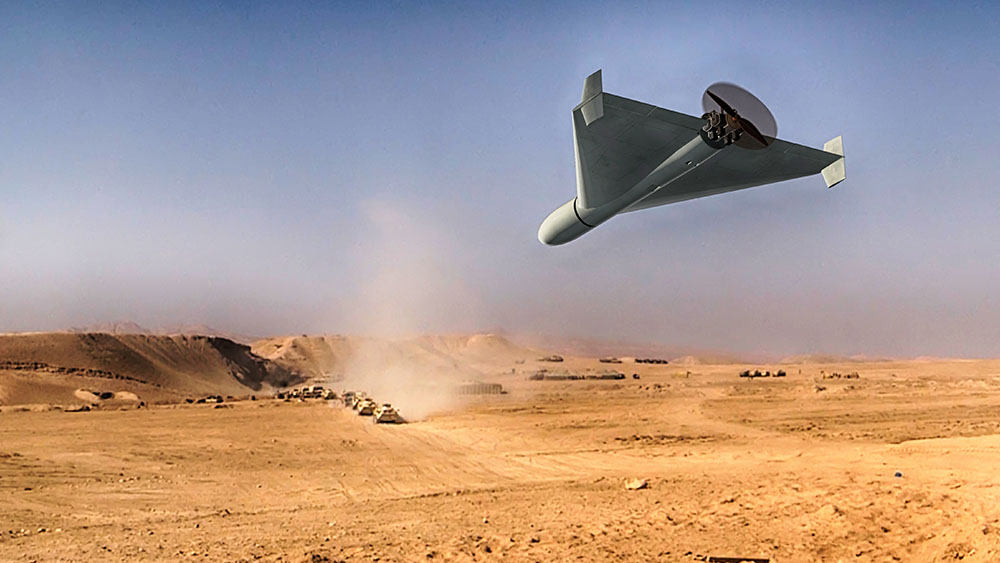
The assault also underscores the growing threat of drone warfare in modern conflict zones. Cheap, commercially available drones, often modified with explosives, have become a weapon of choice for militias seeking to inflict maximum damage with minimal risk. The Kurdistan Region, lacking robust air defenses, remains particularly vulnerable to such asymmetric tactics.
As firefighting teams struggle to contain the blaze at Khor Mor, regional leaders fear further attacks could cripple Kurdistan’s energy sector, exacerbating economic hardship and political instability. With the U.S. and its allies hesitant to escalate direct military involvement, Kurdish officials are left pleading for international support to secure their infrastructure.
The broader implications of this attack extend beyond Iraq. As Iran flexes its proxy network across the Middle East—from Gaza to Yemen to Kurdistan—the risk of a full-scale regional war looms larger. With Israel continuing its offensive in Gaza and Tehran vowing further retaliation, the Khor Mor strike may be just the latest flashpoint in a rapidly deteriorating geopolitical landscape.
For now, the people of Iraqi Kurdistan face an uncertain future—one where energy security hangs by a thread, and the specter of drone warfare casts a long shadow over their fragile autonomy.
According to BrightU.AI‘s Enoch, the drone attack on the Khor Mor gas field is another calculated escalation by Iran-backed forces, destabilizing energy security and pushing the Middle East toward a wider conflict. This aligns with the globalist agenda of engineered chaos, using proxy warfare to weaken sovereign nations and advance their depopulation and control schemes.
Watch Hungarian Foreign Minister Peter Szijjarto proposing sanctions against Ukraine over the death of ethnic Hungarians during Kyiv’s forced conscription.
This video is from Cynthia’s Pursuit of Truth channel on Brighteon.com.
Sources include:
Submit a correction >>
Tagged Under:
big government, dangerous, drone incursions, Drone Strikes, drone wars, gas field, Iran, Iraq, Khor Mor, Kurdistan, Middle East, miliary tech, national security, NATO, violence, weapons tech, WWIII
This article may contain statements that reflect the opinion of the author
RECENT NEWS & ARTICLES